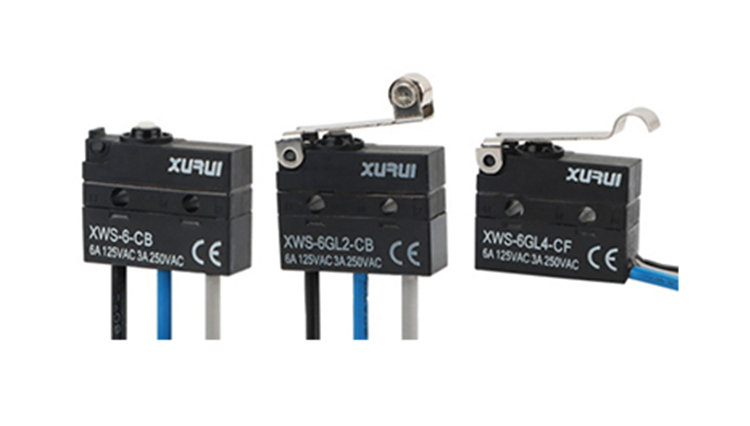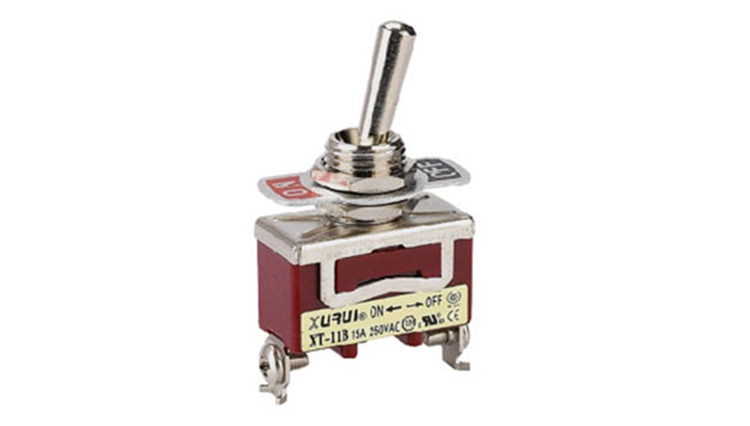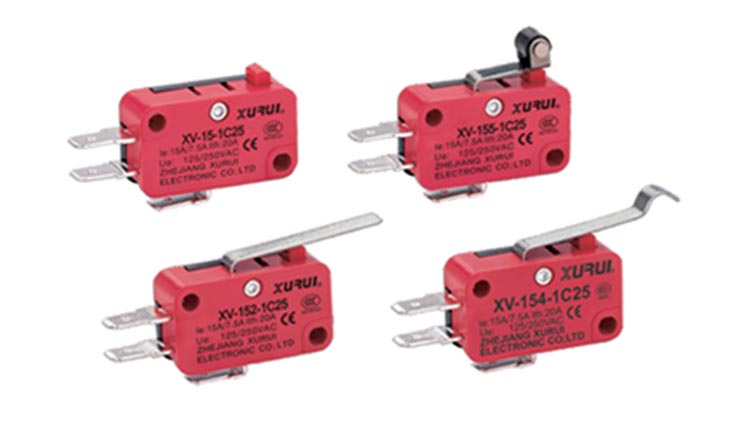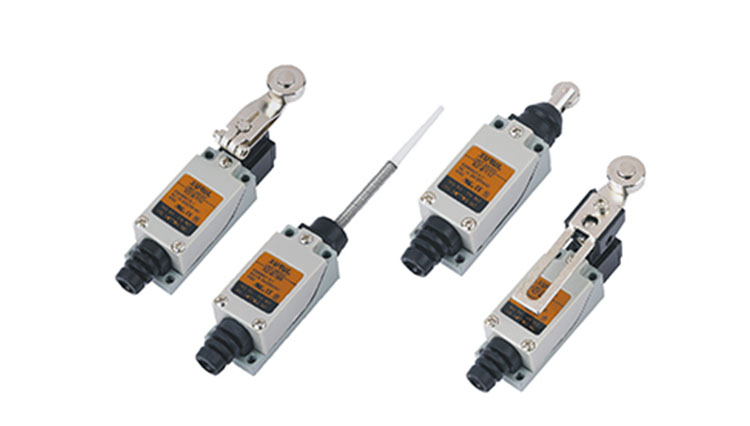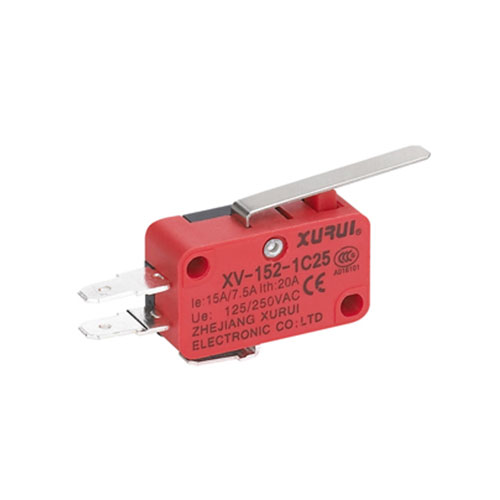
You open a control cabinet on a CNC machine. A small device with a roller lever is bolted near a moving carriage. When the carriage reaches the end of its travel, it presses the lever, and the machine stops. That‘s a Limit Switch in action—an electromechanical device that translates physical position into an electrical signal your control system can trust. But when you need to buy replacements or upgrade an existing line, the catalog offers dozens of options: plunger or roller? SPDT or DPDT? Plastic housing or metal? Choose wrong, and you’ll see erratic machine stops, false triggers, or premature failures. This guide walks through the selection process, explains how to match a Limit Switch to your machine‘s motion, and outlines a simple troubleshooting checklist for when a Limit Switch stops behaving.
How the switch sees your machine
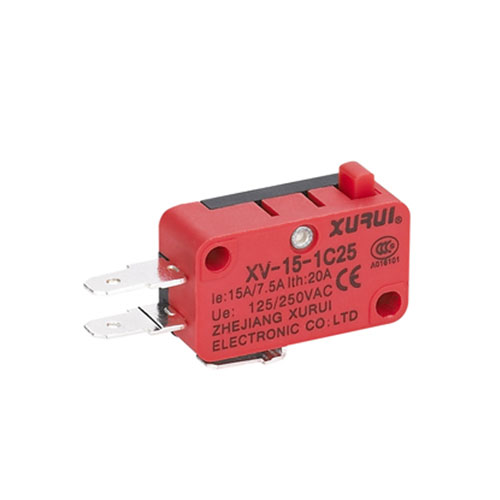
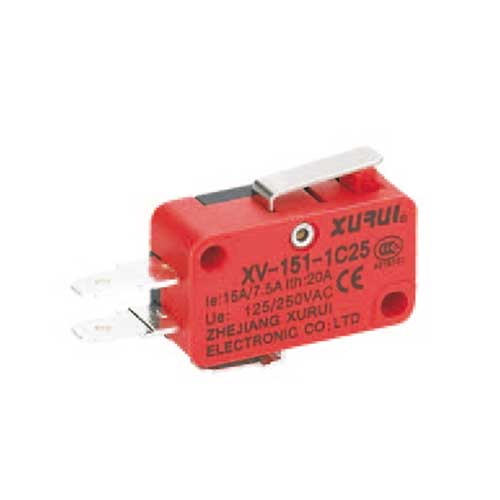
The heart of any mechanical Limit Switch is a built-in microswitch. An external actuator—a plunger, a roller lever, or a rotary rod—translates machine motion into a snap action that flips the internal contacts. The structure of a typical vertical Limit Switch consists of five components: the case that protects the internal mechanism from dust, oil, and moisture; the built-in microswitch that does the actual switching; the actuator (plunger or roller lever) that receives external movement; the operating mechanism that transfers motion from the actuator to the built-in switch; and the terminal section for wiring connections.
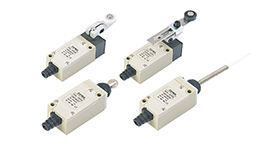
The standard vertical Limit Switch design, like the XHL Series General Vertical Limit Switch, uses a vertically aligned plunger or roller lever that responds to end‑of‑travel movement. When the machine‘s moving part reaches the preset position, it presses the actuator, which drives a push button that compresses a return spring. The spring’s force transfers to a cam profile, which snaps the contacts closed or open. The overtravel (OT) absorption spring absorbs any remaining movement after the contacts have switched, protecting the internal mechanism from shock loads.
This vertical configuration works well for applications where the approaching motion is linear and repeatable—gantry limits, elevator car positioning, and slide end stops on packaging machinery. Proper selection means matching the actuator type, operating force, and electrical rating to what your machine actually demands.
The three decisions that determine the right match
Most Limit Switch selection failures trace back to overlooking one of three factors: mechanical fit, electrical load, or environmental exposure. Mechanical fit starts with the actuator. For the XHL series, common options include plunger (top push), roller lever (side actuation with rolling contact), and adjustable lever (field‑settable length). Select the one that aligns with the moving part‘s approach direction. Electrical parameters must be checked next: the switch’s rating must exceed the actual load current and voltage. A mechanical Limit Switch designed for 5A at 250VAC will not survive controlling a 10A contactor coil, and DC loads require derating because arcs do not extinguish naturally. Finally, environmental conditions determine housing choice. An IP64 rated Limit Switch will fail in washdown applications; high humidity, dust, oil mist, or corrosive fumes require sealed metal housings or high‑grade plastics.
Installation and adjustment: getting the actuator alignment right
Even a perfectly selected Limit Switch will fail prematurely if the actuator is misaligned. The vertical plunger must be struck squarely; off‑center impacts cause the shaft to bind or wear unevenly. For roller lever types, the roller should contact the cam or dog across its full width. If the roller contacts only at an edge, it will wear quickly and eventually freeze. The overtravel setting—how far the actuator continues to travel after the contacts have snapped—must be sufficient to compensate for machine wear and thermal expansion, but not so excessive that it bottoms out the internal mechanism.
Adjustment procedure. Loosen the mounting screws slightly, position the switch so the actuator contacts the cam at the desired switch point, and retighten while holding the switch in place. Then operate the mechanism manually and listen for a clean click. If the click sounds muffled or the actuator feels spongy, reduce the actuator travel or adjust the cam profile. For vertical plunger types, the plunger should be depressed to no more than 80% of its full stroke to avoid bottoming out.
Common mounting error. Using the Limit Switch as a mechanical stop. The switch detects position; it is not designed to arrest moving machinery. If the machine runs into the switch with enough force to compress the housing, internal components crack or the actuator jams. A hard stop should be installed separately.
Diagnosing a failed switch without guessing
When a Limit Switch stops working, you can often tell what failed by watching how the machine behaves. Three patterns cover most failures. First, the machine ignores the switch entirely: the moving part passes the limit point and continues, crashing into the hard stop. The actuator is likely stuck in its free position, or the internal microswitch has failed open. Second, the machine stops prematurely, often at random positions: intermittent false triggers suggest a loose actuator or a cracked housing that allows the switch to actuate from vibration alone. Third, the switch clicks mechanically, but nothing happens electrically: the internal contacts have welded from a load exceeding the switch’s rating, or a connection has corroded.
Mechanical failure signs. Use a multimeter to check resistance across the contacts with the actuator released and fully depressed. Open contacts should measure over 100 kΩ; closed contacts should measure 0–3 Ω. If closed contacts read higher than 3 Ω, the contact surfaces are oxidized or pitted. If the actuator sticks or returns slowly, debris or wear is present.
Electrical failure signs. If the switch clicks but the multimeter shows no continuity change, the internal mechanism is disconnected from the contacts. Replace the Limit Switch. If the switch works intermittently, check for loose terminals or a damaged cable between the switch and the control panel.
When to clean, when to replace
Maintenance intervals depend on the operating environment. In dusty machine shops, inspect Limit Switch units monthly. In clean assembly areas, quarterly inspections suffice.
When cleaning works. Light oxidation on terminals, surface dirt on the actuator stem, or minor resistance increase in closed contacts—these respond to cleaning with electrical contact cleaner and gentle abrasion. Use a soft brush or fine sandpaper (400–600 grit) on contacts, and lubricate the plunger stem with a light machine oil if it moves sluggishly.
When replacement is required. The actuator is bent or cracked. The housing shows damage from impact. The internal snap mechanism no longer produces a crisp audible click. Replacement parts—such as the actuator assembly—may be available separately, but on many compact switches, the entire unit is replaced. For the XHL series, replace the whole Limit Switch if damage extends beyond the actuator roller.
Preventive replacement schedule. Switches in high‑frequency applications (hundreds of operations per hour) should be replaced every 1–2 years, or earlier if inspection shows contact wear exceeding 30% of original thickness. For occasional use, replace only when failure occurs.
Questions from the maintenance floor
Q: Why does my limit switch work sometimes but not always? A: Intermittent operation almost always points to a loose connection or a partially stuck actuator. Check terminal screws for tightness; a fraction of a turn can restore reliable contact. If the actuator feels gritty when pressed by hand, debris has entered the shaft bore—clean or replace.
Q: Can I use a switch rated for AC on a DC circuit? A: Yes, with careful derating. DC arcs do not self‑extinguish, so the same current and voltage rating will weld AC‑rated contacts. As a rule of thumb, derate DC voltage to 30% of the AC rating. For a switch rated 250VAC, limit DC applications to 24–30VDC at the same current. Contact the manufacturer for specific derating curves.
Q: How do I know if the actuator is bent? A: Watch the switch during machine operation. If the roller lever wobbles side to side before contacting the cam, the pivot pin has worn or the lever is deformed. Remove the actuator and place it on a flat surface; any visible gap indicates bending. Replace bent actuators immediately—they will cause erratic switch points.
Q: What does “snap action” mean, and why does it matter? A: Snap action means the contacts switch at a specific point without regard to actuator speed. Even if the actuator moves slowly, the internal spring mechanism trips abruptly once a threshold force is reached. This prevents contact “teasing” (slow opening/closing that generates arcing and heat). For limit switches controlling motor drives, snap action is essential for reliable switching.
Q: Can I replace a limit switch with a proximity sensor? A: Yes, but the application must allow it. Proximity sensors are non‑contact, so they do not wear mechanically and work in clean, dry environments. However, they require power to operate (typically 10–30VDC) and may be less tolerant of temperature extremes. For applications where physical contact is acceptable and electrical simplicity is valued, a mechanical Limit Switch remains the most straightforward choice.
The company behind the switch
When you need a Limit Switch that reliably detects end‑of‑travel day after day, the manufacturer‘s experience and quality controls matter. Zhejiang Xurui Electronics (Xurui) specializes in the R&D, production, and sales of micro switches, limit switches, foot switches, toggle switches, and solid state relays. Founded in 2002, the company holds over fifty national patents and is recognized as a National High‑Tech Enterprise. With an annual capacity of twenty million switches and exports to 130 countries, Xurui maintains 95% on‑time deliveries.
The XHL Series General Vertical Limit Switch is designed for precise position control in industrial automation and mechanical equipment. Its vertical plunger mechanism with a snap‑action microswitch provides repeatable switching in conveyor applications, machine tool end stops, and packaging equipment limits. Xurui offers more than twenty years of OEM and design experience, turning customer drawings into samples, supported by advanced production and testing equipment. For facility managers standardizing on a single supplier, Xurui provides consistent quality backed by ISO‑compliant manufacturing processes.
→ Request a quote from Xurui Electronics for the XHL Series General Vertical Limit Switch — Share your actuation method (plunger or roller lever), electrical requirements (voltage and current), and environmental conditions (dust, moisture, washdown). Their technical team can recommend the correct switch configuration and provide cross‑reference data for common branded replacements.