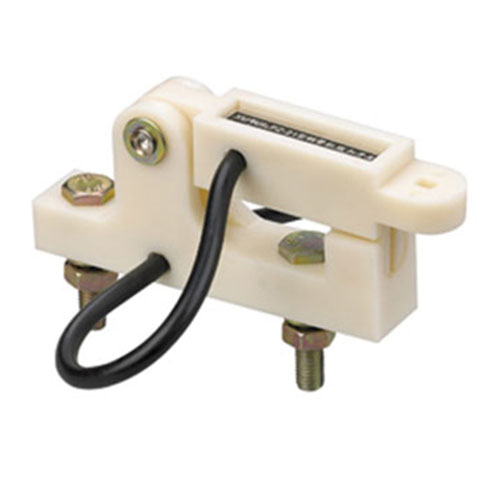
You're running a steel belt conveyor, and the belt has slipped off its track or released tension. Without a detection device, the motor keeps running, the belt damages itself, and the repair bill climbs. A Mercury Switch based release device detects the abnormal tilt and cuts the control circuit before the damage spreads. The Steel Belt Release Switch PZ-21 uses a sealed mercury tilt element to sense angular deviation and trigger an NC/NO contact change. This article explains how the mercury tilt mechanism works, what the 180° operating angle means for detection sensitivity, and what to verify before specifying a release switch for your conveyor safety system.
What Makes a Mercury Tilt Switch Different From Mechanical Switches?
A mercury tilt switch contains a sealed glass tube with a small amount of liquid mercury and electrical contacts. When the switch is tilted past a certain angle, the mercury flows to bridge the contacts, completing the circuit. When the switch returns to its normal position, the mercury flows away and the circuit opens. This mechanism has no mechanical springs, levers, or pivots to wear out. There is nothing to lubricate, nothing to adjust, and no moving parts that can fatigue over millions of cycles. The PZ-21 uses this principle to detect angular changes in the steel belt machine's tension mechanism.
The Sealed Mercury Element and Contact Action
The mercury is hermetically sealed inside a glass tube. This isolation keeps the contacts free from dust, moisture, and contaminants — critical in industrial environments where coal dust, metal particles, or chemical vapors are present. The sealed construction also prevents the mercury from escaping, ensuring safe operation throughout the switch's service life.
NC and NO Contact Configurations
The PZ-21 offers NC (normally closed) and NO (normally open) contact configurations. In an NC configuration, the circuit is closed when the switch is in its normal position and opens when the switch is tilted. In an NO configuration, the circuit is open in the normal position and closes when tilted. The choice depends on whether the safety system needs to detect the presence or absence of a signal.
How Does the 180° Operating Angle Affect Detection Sensitivity?
The operating angle is the angular displacement required to trigger the switch. The PZ-21 has an operating angle of 180°, meaning the switch can detect tilt across a full half-turn. This wide activation range makes it suitable for applications where the release mechanism may travel through a broad arc. The action force is rated at ≥2Kg, ensuring that the switch actuates reliably even under vibration or minor positional variations.
Full 180° Activation Range for Broad Coverage
A 180° operating angle provides detection across a wide range of tilt positions. This is particularly useful in steel belt machines where the tension arm or trip mechanism may move through a large arc during normal operation and release events. The wide range reduces the risk of missed detection.
Action Force and Vibration Immunity
The ≥2Kg action force ensures that the mercury moves to the contact position only when the switch is tilted past the activation threshold. Minor vibrations or incidental movements do not trigger the switch, reducing false alarms while maintaining reliable detection of actual release events.
PZ-21 Technical Specifications and Ratings
| Parameter | Specification |
|---|---|
| Model | PZ-21 |
| Voltage Rating | 220VAC |
| Current Rating | 3A |
| Operating Force | ≥2Kg |
| Operating Angle | 180° |
| Contact Form | NC/NO |
| Protection Degree | IP67 |
| Application | Steel belt machine trip switch, conveyor safety monitoring |
Electrical Ratings for Control Circuit Integration
The 220VAC rating and 3A current capacity allow the PZ-21 to switch control circuits directly. In a typical steel belt machine installation, the switch is wired in series with the motor control contactor coil. When the belt releases and the switch tilts, the contact opens and the contactor drops out, stopping the motor.
IP67 Protection for Harsh Industrial Environments
The IP67 rating means the switch is dust-tight and protected against temporary immersion in water. This level of sealing ensures reliable operation in steel mills, mining operations, and other environments where dust, moisture, and wash-down are routine.
Where Does a Steel Belt Release Switch Deliver the Most Value?
The PZ-21 serves conveyor and steel belt applications where early detection of belt release prevents equipment damage and production downtime. Steel belt machines, mining conveyors, and bulk material handling systems all benefit from the mercury tilt switch's reliable, maintenance-free operation.
-
Steel belt machines — detecting belt tension loss or trip events
-
Mining conveyors — monitoring belt alignment and release conditions
-
Bulk material handling — protecting conveyor systems from damage
-
Industrial automation — safety interlock for rotating or tensioned mechanisms
-
DC power applications — mercury switches are especially advantageous on DC circuits
Steel Belt Machine Trip Detection
In steel belt machines, the release switch monitors the tension mechanism or trip arm. When the belt releases or loses tension, the arm moves, tilting the switch and triggering the safety circuit. The 180° operating angle accommodates the full range of arm movement.
Conveyor Safety and Belt Monitoring
Conveyor systems use release switches to detect belt slippage, misalignment, or breakage. The PZ-21's sealed mercury element resists the dust and debris common in mining and bulk handling, ensuring long-term reliability where mechanical switches would fail.
Answers to Common Questions About Steel Belt Release Switches
How does the mercury switch actually trigger the safety circuit?
When the steel belt releases, the tension arm moves and tilts the switch body. The mercury inside the sealed tube flows to bridge the contacts, changing the switch state from NC to NO or vice versa. This contact change interrupts the control circuit, de-energizing the motor contactor and stopping the belt.
What is the difference between NC and NO configurations?
In NC (normally closed) configuration, the circuit is closed when the switch is in its normal position. When tilted, the circuit opens. In NO (normally open) configuration, the circuit is open in the normal position and closes when tilted. The choice depends on whether the safety system is designed to detect the presence or absence of a signal.
What maintenance does the PZ-21 require?
The sealed mercury element has no mechanical wear components. Routine inspection should verify that the mounting bracket is secure and the switch body is not damaged. The IP67 enclosure protects the internal components from dust and moisture, so cleaning is rarely required.
Can the switch be used in DC control circuits?
Yes. Mercury switches are especially advantageous in DC power applications because the mercury bridge provides a clean, low-resistance contact that does not arc or pit like mechanical contacts. The hermetically sealed construction keeps the contacts free from foreign matter for longer life.
Get a Steel Belt Release Switch Configuration for Your Equipment
A Mercury Switch based release device with 220VAC/3A ratings, IP67 protection, and 180° operating angle is the practical choice for steel belt machine and conveyor safety applications. The Steel Belt Release Switch PZ-21 from Xurui delivers 220VAC voltage rating, 3A current rating, ≥2Kg operating force, 180° operating angle, NC/NO contact options, and IP67 protection degree.
Whether you're protecting a steel belt machine, a mining conveyor, or a bulk material handling system, this release switch offers the reliable, maintenance-free detection that industrial safety circuits demand. With a hermetically sealed mercury element, it resists dust, moisture, and contaminants that would degrade mechanical switches.
Contact Xurui for a steel belt release switch configuration assessment → their team can help you select the right contact configuration, mounting arrangement, and wiring scheme for your specific conveyor or steel belt application. Get a Mercury Switch based release device that detects trouble before it becomes damage — so your equipment stays running and your maintenance costs stay down.