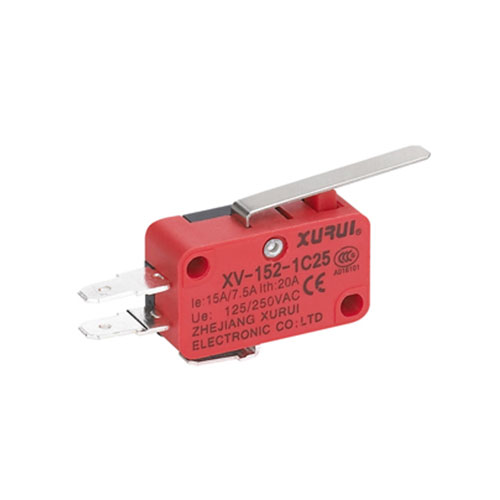
Toggle switches are one of the most commonly used electrical components in various industries, ranging from home appliances to industrial equipment. They are simple, reliable, and versatile, making them a popular choice in a wide array of applications. This article will delve into the details of toggle switches, how they work, what they are used for, their pros and cons, and the various types of toggle switches. Additionally, we will highlight Xurui’s Toggle Switch and how it stands out in the market.
What Are Toggle Switches?
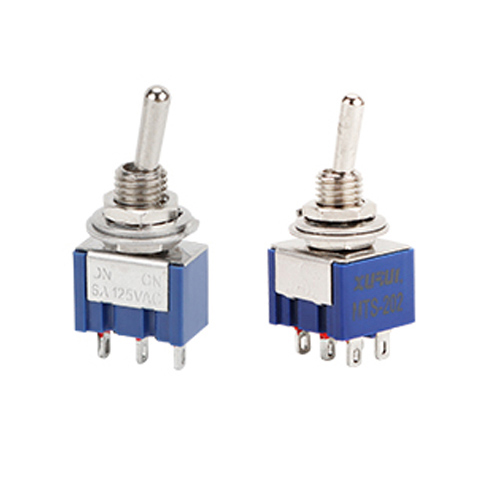
A toggle switch is a mechanical switch that has a lever or handle, which is used to open or close an electrical circuit. When the lever is toggled (moved), it changes the state of the switch from “off” to “on” or vice versa. These switches are designed to be highly durable, easy to operate, and are available in various sizes and configurations.
Key Features:
-
Lever Action: The lever is typically toggled up and down.
-
Electrical Isolation: It either allows or prevents the flow of current when in the "on" or "off" position.
-
Durability: Toggle switches are known for their robustness and longevity.
How Does a Toggle Switch Work?
Toggle switches work on a very simple principle. Inside the switch, there are contacts that connect or disconnect when the lever is moved. The movement of the lever causes these contacts to make or break the electrical connection, either allowing or preventing the flow of electricity.
Step-by-Step Process:
-
In the "off" position: The contacts are not connected, preventing current from flowing through the circuit.
-
In the "on" position: The contacts are connected, allowing electricity to pass through and complete the circuit.
This mechanism is straightforward yet effective, making toggle switches reliable for many applications.
What Are Toggle Switches Used For?
Toggle switches are used in various settings, both in everyday life and specialized industries. They are designed for controlling the flow of electricity in a circuit, and they are used in a wide range of applications, from household appliances to heavy-duty industrial equipment.
Common Uses:
-
Home Appliances: Many household devices like lights, fans, and electric heaters use toggle switches for simple on/off control.
-
Automobiles: In cars, toggle switches are commonly used to control lights, fans, and other electrical components.
-
Industrial Machinery: Toggle switches are used in control panels for machinery and heavy equipment.
-
Consumer Electronics: Devices like computers and audio equipment often incorporate toggle switches for power control.
-
Aircraft and Marine Systems: Due to their robustness, toggle switches are used in aviation and marine equipment to ensure reliability.
Pros & Cons of Toggle Switches
Like any product, toggle switches come with their advantages and disadvantages. Let’s look at some key points to help assess their suitability for different applications.
Pros:
-
Durability: Toggle switches are known for their high durability and can last for a long time, even with frequent use.
-
Simplicity: They offer a simple design, making them easy to use, install, and maintain.
-
Tactile Feedback: The movement of the lever provides clear tactile feedback, so users know whether the switch is in the “on” or “off” position.
-
Versatility: Toggle switches come in a variety of configurations, making them adaptable to different voltage ratings, environments, and specific needs.
-
Cost-Effective: Generally, toggle switches are affordable, providing a cost-efficient solution for many applications.
Cons:
-
Limited Control Options: Unlike more advanced switches (such as dimmer switches or digital switches), toggle switches only provide binary on/off control.
-
Potential for Wear: Over time, repeated toggling may cause wear on the mechanical parts, leading to possible failure in extreme cases.
-
Size: Some toggle switches can be bulky, which may be an issue in tight or space-constrained areas.
What Types of Toggle Switches Are There?
There are various types of toggle switches, each designed for different needs and environments. Here are the main categories:
1. Single-Pole, Single-Throw (SPST):
This is the most common type of toggle switch, which controls a single circuit. It has two positions: on and off.
2. Single-Pole, Double-Throw (SPDT):
This type allows the user to toggle between two different circuits. It has three terminals: one for the input, and two for the outputs. It’s commonly used for applications where you need to control one of two options.
3. Double-Pole, Single-Throw (DPST):
A DPST switch is similar to the SPST but can control two separate circuits simultaneously. It has four terminals and is useful when you need to control multiple devices at once.
4. Double-Pole, Double-Throw (DPDT):
This type can toggle between two different circuits and has six terminals. It allows users to switch between two sets of devices or control two devices at once.
5. Miniature Toggle Switches:
Smaller versions of the standard toggle switch, these are used in applications where space is limited, such as in electronic devices.
6. Waterproof Toggle Switches:
These are designed to resist water ingress and are commonly used in outdoor or marine environments where exposure to the elements is a concern.
7. Locking Toggle Switches:
These switches come with a mechanism that locks the toggle in place, preventing accidental operation. They are often used in industrial applications to ensure safety.
Xurui’s Toggle Switch: Advantages and Features
Xurui's toggle switches are engineered for reliability, durability, and versatility. These switches are designed with a focus on providing seamless electrical control in both consumer and industrial applications.
Key Advantages:
-
High Durability: Xurui toggle switches are built to last, offering consistent performance even in demanding environments.
-
Variety of Options: They offer various types of toggle switches, including SPST, SPDT, and DPDT configurations, to meet diverse needs.
-
Waterproof and Heavy-Duty Models: Xurui’s switches are available in waterproof and heavy-duty models, making them suitable for industrial, automotive, and marine applications.
-
Cost-Effective: Despite their high-quality construction, Xurui toggle switches remain affordable, offering great value for the money.
Conclusion
Toggle switches remain a fundamental component in the control of electrical circuits, offering simplicity, durability, and reliability. Whether for home appliances, automobiles, or industrial equipment, their straightforward design continues to make them a top choice across many industries.
If you're looking for high-quality toggle switches, Xurui’s Toggle Switch offers an exceptional range of products that meet the diverse needs of consumers and industries alike. With their focus on quality and innovation, Xurui continues to set the standard for toggle switches that provide lasting performance.
FAQ
Q1. What is the difference between SPST and SPDT toggle switches?
SPST (Single-Pole, Single-Throw) toggle switches have two positions (on/off), whereas SPDT (Single-Pole, Double-Throw) toggle switches allow you to toggle between two separate circuits.
Q2. Can toggle switches be used for high-voltage applications?
Yes, toggle switches are available in various voltage ratings, making them suitable for both low and high-voltage applications.
Q3. Are toggle switches waterproof?
Yes, some toggle switches, including those from Xurui, are designed to be waterproof, making them ideal for outdoor and marine applications.
Q4. How long do toggle switches last?
Toggle switches are known for their long lifespan, often lasting for hundreds of thousands of operations when used correctly.
Q5. Can toggle switches control multiple devices at once?
Yes, double-pole (DPST, DPDT) toggle switches can control two separate devices or circuits simultaneously.