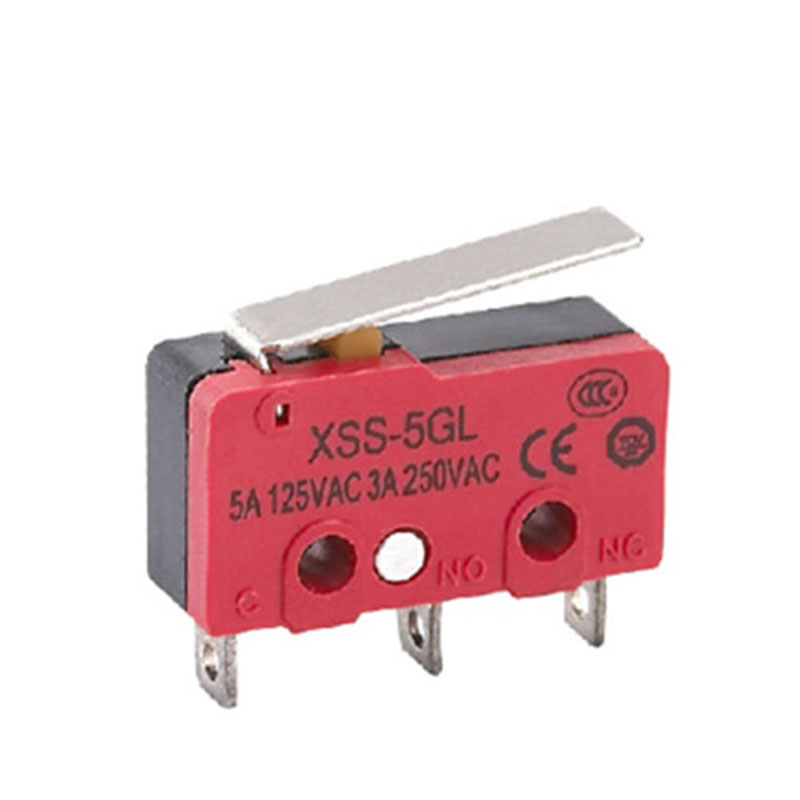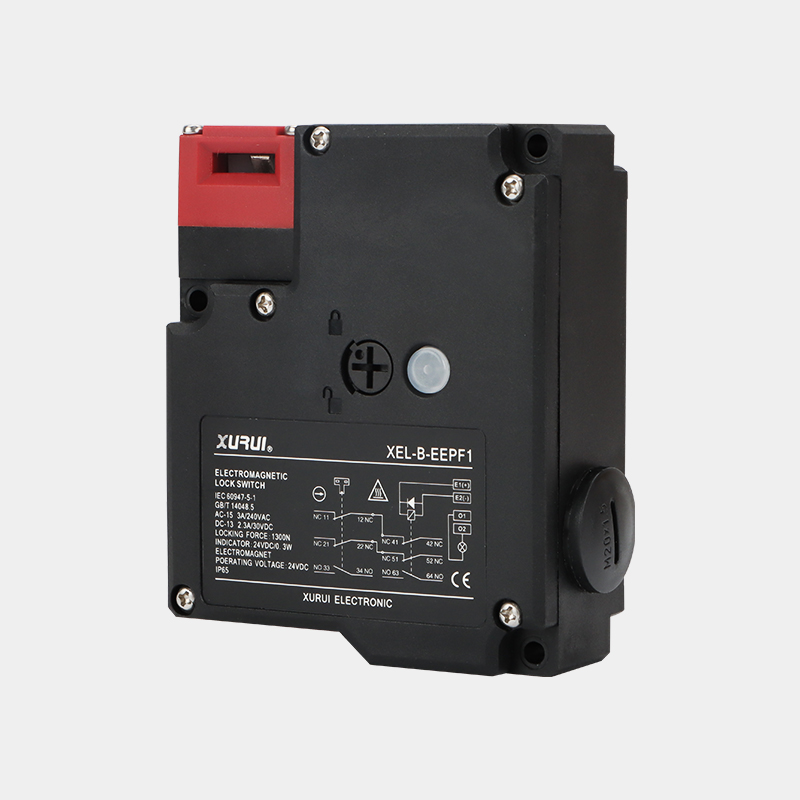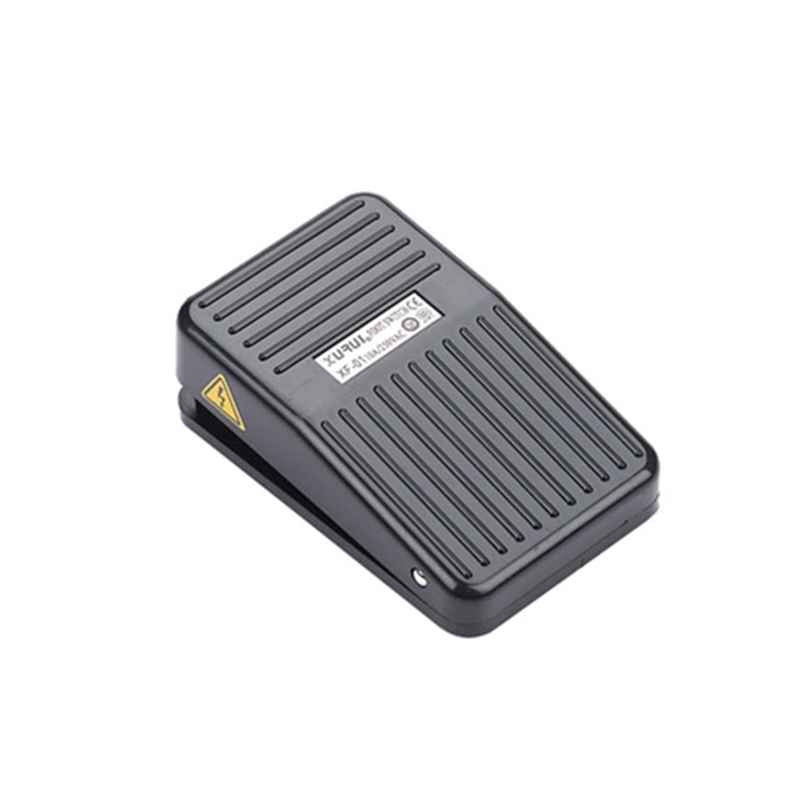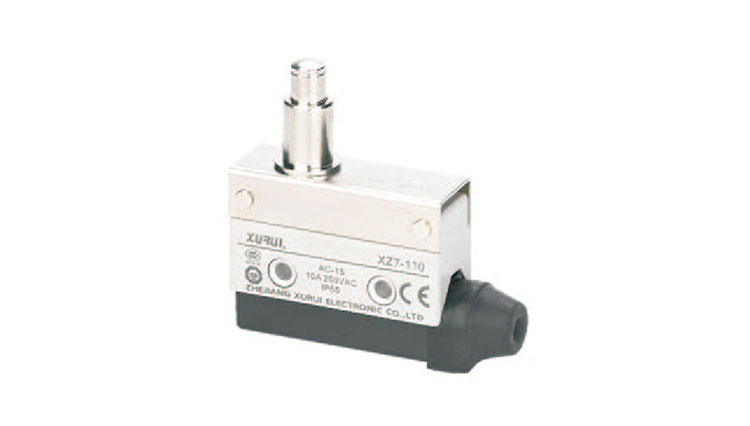
You’re designing a control system for an automated production line, a conveyor, or a piece of heavy equipment. The machine needs to know when a moving part has reached its end of travel—when a crane hoist has hit its upper limit, when a conveyor belt has moved a pallet into position, or when a robotic arm has completed its stroke. A limit switch is the component that does exactly that: it senses physical position and converts mechanical motion into an electrical signal. The XZ-91 Series is one example—a plastic vertical limit switch designed for reliable position sensing in industrial environments. This guide covers the basics—how limit switches work, what the different actuator types do, and what to look for when choosing one for your application.
How a Limit Switch Works – Mechanical Motion to Electrical Signal
A limit switch is a mechanical device that detects the presence or position of an object through physical contact. When a moving machine part comes into contact with the switch’s actuator, the actuator moves and triggers an internal switching mechanism, opening or closing an electrical circuit. The switch then sends a signal to the control system—telling it to stop, reverse, start, or perform some other action. This simple but reliable principle makes limit switches one of the most widely used position-sensing devices in industrial automation.
The Internal Switching Mechanism
Inside the switch housing, a micro switch or snap-action mechanism responds to the actuator’s movement. The XZ-91 Series uses a double-circuit design with a built-in double-reed micro switch, providing reliable switching action and redundant contact options. The snap-action mechanism ensures that the contacts switch quickly and cleanly, regardless of how slowly the actuator moves.
Normally Open vs. Normally Closed
Limit switches are available in normally open (NO) and normally closed (NC) configurations, or combinations of both. In a NO configuration, the circuit is open when the switch is at rest and closes when actuated. In a NC configuration, the circuit is closed at rest and opens when actuated. The choice depends on the safety and control logic of your system.
Actuator Types – Choosing the Right Trigger for Your Application
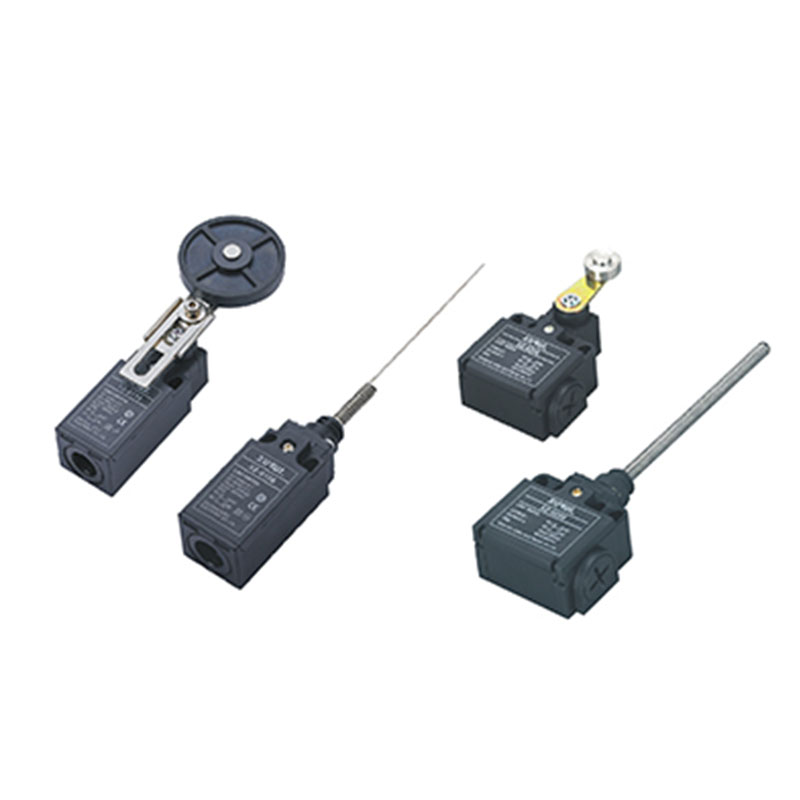
The actuator is the part of the switch that makes contact with the moving object. Different applications require different actuator styles, and the XZ-91 Series offers a variety of lever options to match your specific needs.
Lever Actuators – For Rotary Motion
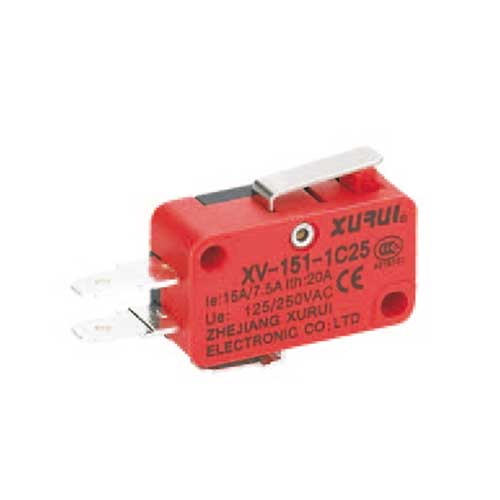
Lever actuators are the most common type. A roller lever, for example, follows the surface of a cam or moving part, providing smooth actuation with minimal wear. Lever actuators are ideal for applications where the switch is triggered by rotating or sliding motion.
Plunger Actuators – For Linear Motion
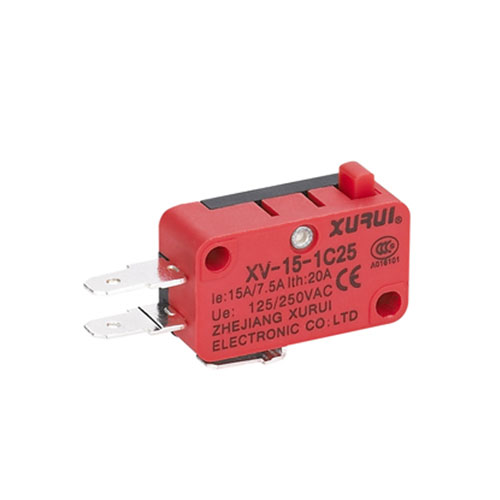
Plunger or pin plunger actuators are triggered by direct linear force. They’re commonly used in applications where an object moves straight toward the switch, such as a conveyor stopping a pallet or a door closing a circuit.
Whisker and Spring Rod Actuators – For Light Force Applications
Whisker or spring rod actuators are designed for applications where the actuating force is light or the motion is in multiple directions. They’re often used in material handling and packaging equipment.
Housing Materials – Plastic vs. Metal
The housing material determines the switch’s durability and suitability for different environments. The XZ-91 Series features a lightweight, economical plastic housing that offers excellent protection against water, oil, and pressure. For applications requiring even greater mechanical strength or where the switch is exposed to heavy impacts, metal-housed switches are also available.
Plastic Housing – Lightweight and Cost-Effective
The XZ-91 Series uses an economical plastic housing that provides strong protection against water, oil, and pressure intrusion. The sealed construction prevents contaminants from entering the switch mechanism, extending the operating life of the internal contacts.
Metal Housing – Heavy-Duty Protection
When the switch is exposed to heavy impacts, metal-housed limit switches offer higher mechanical strength. The choice between plastic and metal housing depends on your specific environment—plastic is fine for most industrial applications, while metal is recommended for heavy machinery and outdoor installations.
Mounting and Installation Flexibility
The XZ-91 Series features a vertical mounting design that provides flexibility in installation. The compact size and vertical orientation make it suitable for applications where horizontal space is limited. Proper mounting ensures accurate and consistent actuation.
Mounting Position
Vertical orientation is ideal for applications where space is constrained along the horizontal plane. The vertical configuration also offers protection from falling debris that could interfere with horizontal-mounted actuators.
Actuator Orientation
Adjustable actuator positions allow you to fine-tune the switch’s triggering point to match your mechanical system. This flexibility simplifies installation and reduces the need for precise mechanical alignment.
Key Specifications to Check
| Specification | XZ-91 Series Value | Why It Matters |
|---|---|---|
| Housing material | Plastic | Lightweight, economical, IP65/67 protection |
| Actuator types | Roller lever, plunger, etc. | Matches your mechanical motion |
| Circuit configuration | Double-circuit, double-reed | Redundant contacts for safety applications |
| Contact rating | 10A/250VAC, 5A/30VDC | Matches your load requirements |
| Protection rating | IP65, IP67 | Dust-tight, protected against water jets/immersion |
| Temperature range | -25°C to +70°C | Suitability for your operating environment |
| Mounting style | Vertical | Fits tight horizontal spaces |
What Engineers Ask About Limit Switches
What is the difference between a limit switch and a proximity sensor?
A limit switch requires physical contact with the target to actuate. A proximity sensor detects the presence of an object without physical contact. Limit switches are preferred when mechanical feedback is desired or when the target is not metallic.
What does the IP rating mean for a limit switch?
IP65 provides protection against dust ingress and low-pressure water jets. IP67 provides full protection against dust and temporary immersion in water. The XZ-91 Series offers both protection levels depending on the specific configuration.
How do I choose between a roller lever and a plunger actuator?
Choose a roller lever for rotary or sliding motion where the switch follows the surface of a moving part. Choose a plunger actuator for direct linear motion where the target moves straight toward the switch.
What is the temperature range for the XZ-91 Series?
The XZ-91 Series operates from -25°C to +70°C, making it suitable for most industrial environments.
Need a Limit Switch That Fits Your Machine? Let's Find It
Selecting a limit switch comes down to three factors: actuator type (match your mechanical motion), housing material (match your environment), and electrical rating (match your control circuit). Contact Xurui for technical support and samples → —their team can help you select the right XZ-91 Series configuration for your specific application.
Xurui (Zhejiang Xurui Electronic Co., Ltd.) is a manufacturer of industrial control switches with over 15 years of experience in the electrical industry. The XZ-91 Series Plastic Vertical Limit Switch features a lightweight, economical plastic housing with IP65/67 protection, a double-circuit design with built-in double-reed micro switch, and multiple actuator options including roller lever and plunger types. Applications include industrial automation, overhead cranes, elevators, conveyors, packaging machinery, and programmable logic control systems. Xurui provides comprehensive technical support, samples, and after-sales service. Connect with Xurui to discuss your actuator type requirements, protection rating needs, and contact configuration specifications.